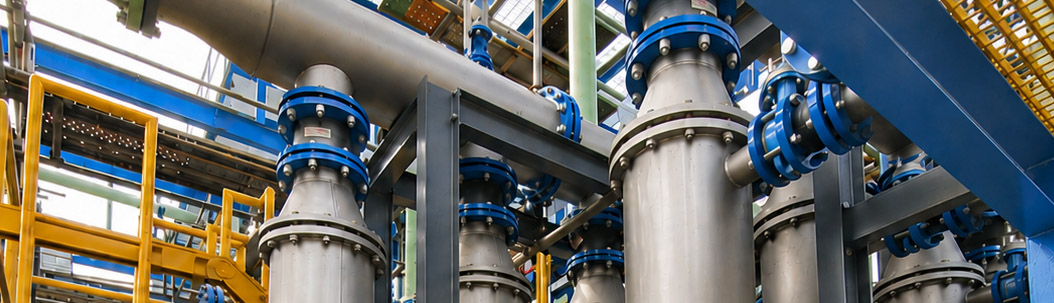
After Filtration, Polished Brine Quality Guaranteed:
Suitable for both conventional brine and high-magnesium brine where Mg exceeds Ca.
CBS Series
Ceramic Brine Polishing System
Compact and Efficient Brine Purification with High-Performance Ceramic Membranes
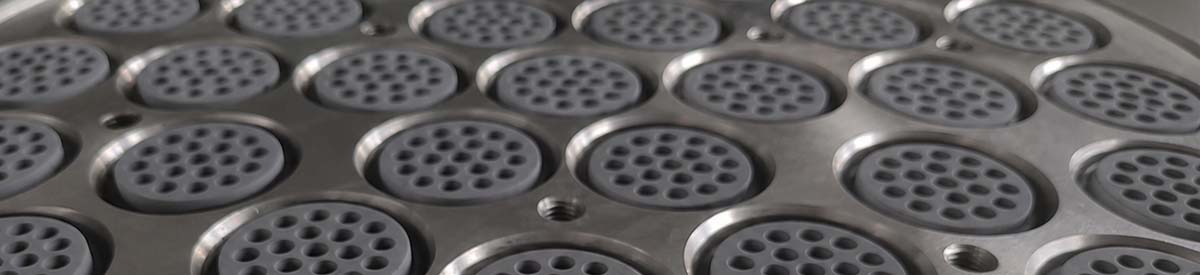
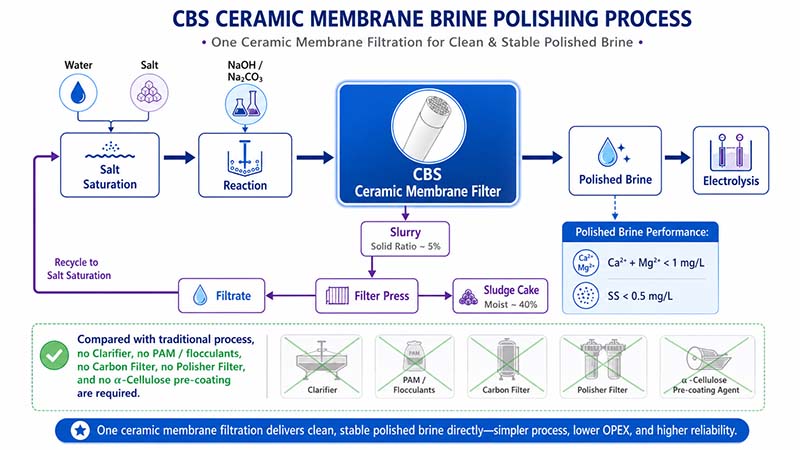
The EFLUXERA CBS Series is a ceramic membrane filtration system developed for primary brine purification and brine polishing in chlor-alkali and salt-processing applications. After the precipitation reactions that form magnesium hydroxide and calcium carbonate solids, the CBS directly separates these fine precipitates from the brine using high-performance ceramic membranes.
Compared with the traditional process of clarification followed by pre-coated carbon tube filtration, the CBS provides a shorter, cleaner and more compact route to high-quality purified brine.
1. Shorter Process Route
In a conventional brine purification process, reacted brine is first transferred to a large clarifier for settling, and the clarified brine is then polished through a pre-coated carbon tube filter.
The CBS replaces these long settling and pre-coat filtration stages with direct ceramic membrane filtration. The precipitated solids, including Mg(OH)2 and CaCO3, are separated efficiently in an enclosed membrane system.
This shorter process simplifies plant arrangement, reduces intermediate handling and supports more stable operation.
2. Smaller Equipment Footprint
Traditional clarification requires large tanks with sufficient residence time for solids settling. In many projects, the clarifier may contain more than 12 hours of brine inventory during operation.
The CBS is a compact filtration system with significantly lower liquid hold-up. From the reaction tank to the CBS outlet, the retained brine volume can be reduced to less than approximately one hour of process flow, depending on the system design.
The reduced footprint is particularly valuable for plant expansion, revamping projects and sites where installation space is limited.
3. No Flocculant or Pre-Coat Filter Aid Required
Conventional clarification and polishing commonly require additional consumables such as PAM flocculant and α-cellulose pre-coat filter aid to support settling and carbon tube filtration.
The CBS removes the precipitated solids by ceramic membrane filtration and therefore avoids the routine use of these traditional clarification and pre-coating consumables.
This helps simplify chemical handling, reduce consumable purchasing and storage requirements, and lower the quantity of secondary solids introduced into the process.
4. Reduced Heat Loss and Cleaner Working Conditions
Primary brine is often handled at elevated temperature. Open clarifiers with long residence times can lead to unnecessary heat loss and the release of warm, saline moisture into the surrounding plant area.
The CBS operates as an enclosed filtration system with a short process route. This helps retain heat within the process and reduces exposure of surrounding steel structures, equipment and working areas to hot saline vapour.
As a result, the CBS supports a cleaner operating environment and may help reduce corrosion-related maintenance around the brine purification section.
5. Stable Brine Quality
Ceramic membrane filtration provides reliable separation of fine suspended precipitates that may remain after chemical reaction. The CBS is designed to produce consistently clean polished brine for downstream processing.
Typical project targets may include:
• Suspended solids: below 1 ppm
• Turbidity: below 0.2 NTU
• Calcium plus magnesium: below 1 mg/L, subject to upstream reaction conditions and system design
High-quality polished brine helps protect downstream equipment and supports reliable membrane-cell chlor-alkali operation.
6. Easier Maintenance and Lower Operating Burden
Traditional clarification systems require regular attention to settling performance, sludge management, pre-coating operations and maintenance of carbon tube filters. As equipment ages, corrosion, filter blockage and cleaning requirements may increase operational burden.
The CBS uses modular ceramic membrane filtration units installed in a titanium-based system designed for brine service. The ceramic membrane elements can be cleaned and maintained in a controlled manner, while modular construction allows individual components to be serviced or replaced as required.
With automated operation and a shorter treatment route, the CBS can reduce routine operator workload compared with conventional clarification and pre-coat filtration systems.
7. Reduced Consumable Cost
Because the CBS avoids routine use of flocculant and α-cellulose pre-coating materials, it can reduce consumable expenditure associated with traditional brine polishing.
Actual operating cost depends on local chemical prices, power tariffs, feed brine quality and plant operating conditions.
Engineered for Brine Polishing Applications
The EFLUXERA CBS Series combines high-performance ceramic membrane filtration with titanium construction for demanding brine purification duties. It is designed to deliver a compact process, stable polished brine quality, reduced consumable use and improved plant working conditions.
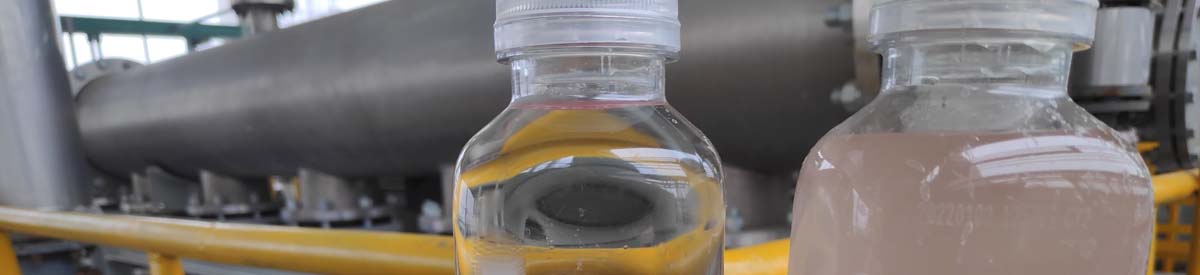
A shorter and cleaner brine polishing process for efficient chlor-alkali operation.
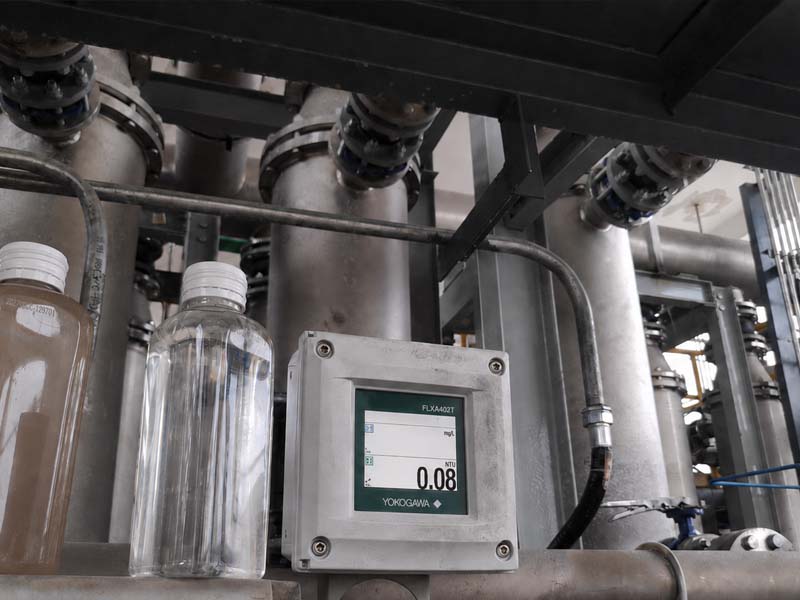
Efluxera Brine Polishing Systems are designed for high-purity brine purification and stable downstream operation.The turbidity of the produced water remained consistently < 0.2 NTU.
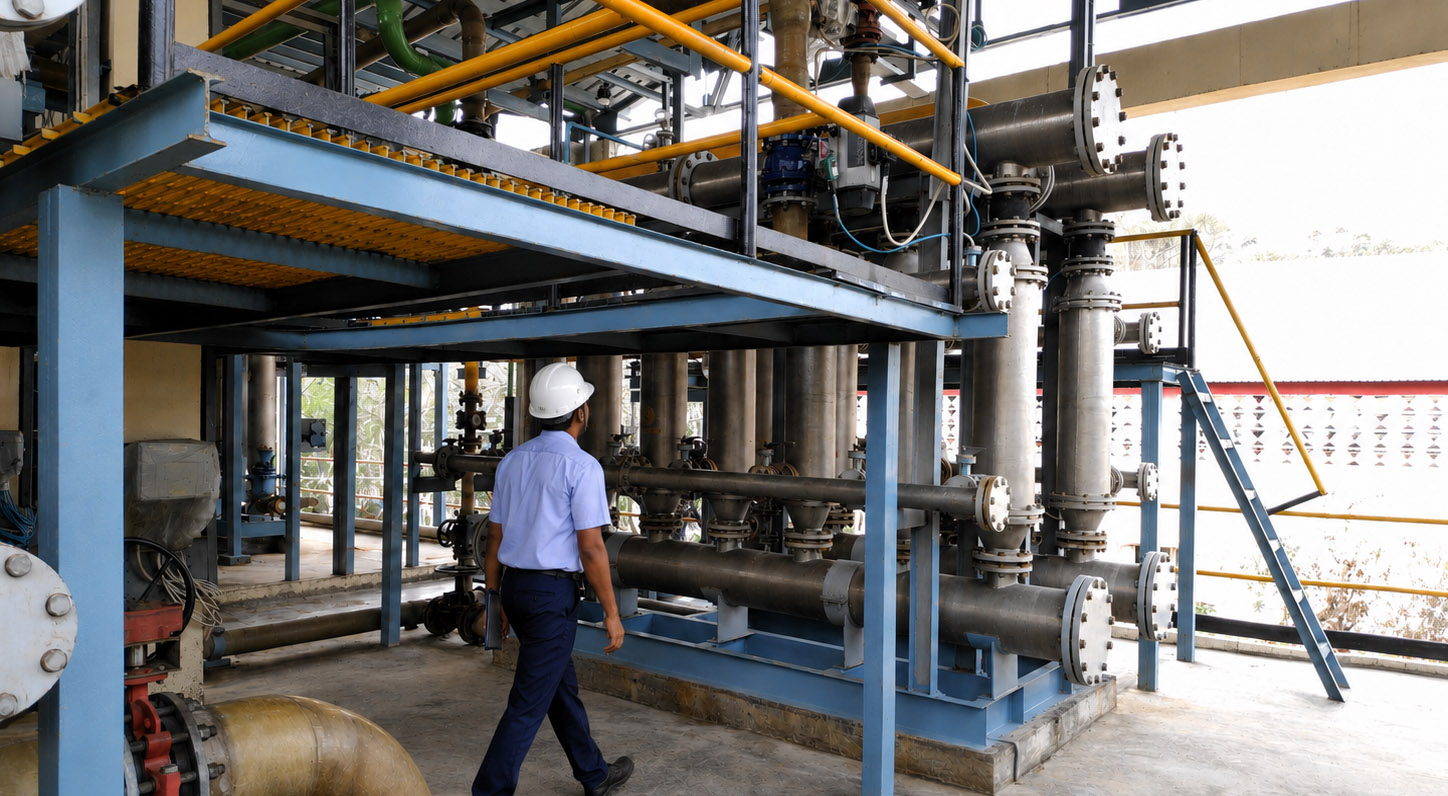
The system removes suspended solids, colloids and fine impurities from brine, helping protect electrolyzers, evaporators and downstream equipment.
Titanium construction and high-performance ceramic membranes provide reliable long-term operation under demanding chlor-alkali and salt processing conditions.
LOOKING FOR A SUITABLE SOLUTION?
Contact our team to discuss your process conditions and find the right membrane system for your application.